The Piano That Moved Brazil: Benito Di Paula’s Late Redemption
Benito Di Paula left behind an undeniable groove. Only in farewell does criticism grant the unanimity that dancefloors have celebrated for decades.
 By DJ Rodrigo Miranda·
·
2 min read
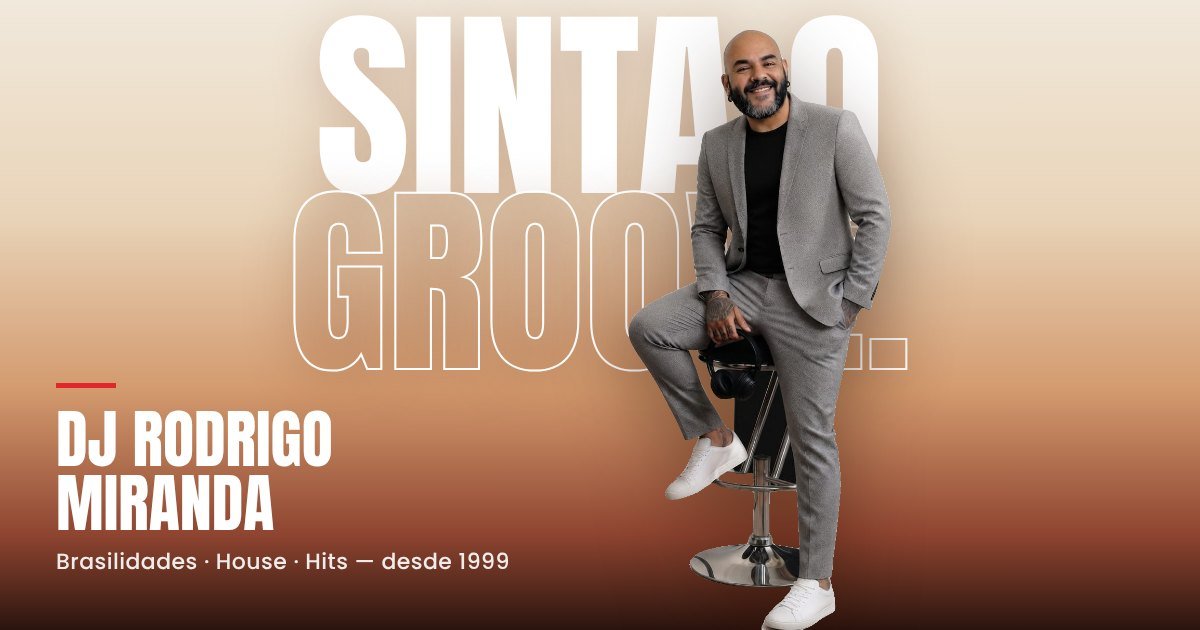
The Soulful Keys Elitist Critics Struggled to Grasp
For selectors behind the turntables since 1999 digging into the depths of Brazilian rhythm, Benito Di Paula’s piano has always been an authentic masterclass in groove. While cultural elitists and academic purists throughout the 1970s often dismissed his work as overly commercial or simplistic, street dancers and astute DJs instantly recognized the truth: raw rhythmic perfection driven by his percussive touch on the keys. It remains bittersweet that only upon his passing at age 84 does the musical establishment finally grant him unanimous acclaim. Benito had to depart for institutional gatekeepers to acknowledge his indisputable genius.
Samba-Piano, Latin Spices, and Dancefloor Catharsis
Long before cross-genre fusion became standard studio practice, Benito fused roots samba with Afro-Cuban syncopation, forging an unmistakable identity. Masterpieces like "Retalhos de Cetim", "Charlie Brown", and "Vai Ficar na Saudade" are far more than nostalgic radio staples; they represent the structural backbone of Brazilian groove. By intertwining deep emotional heartbreak with infectious dance floor drive, Benito anticipated transitions that naturally dialogue with funk soul, broken beats, and soulful house. In my vinyl bag, his records have consistently ignited dancefloors across generations.
Belated Tributes to an Eternal Master
Recent retrospective efforts and cultural honors attempted to correct historical oversights, yet major institutional accolades arrived tragically late for a pioneer of his stature. For selectors who evaluate music through collective physical vibration and dancer emotion, Benito Di Paula never needed academic approval: ordinary people danced and sang his anthems unconditionally. His legacy does not linger in sorrow, but flourishes vividly each time his syncopated keys spin on the turntable.
Reference source: G1 Música
Read next
See all news →BrasilidadesDo Vinil ao Beat Contemporâneo: Por Que a MPB É o Fio Invisível Que Conecta Gerações
A MPB atravessa décadas, ganha novas roupagens na pista e une gerações. Veja a análise de quem toca os clássicos do vinil aos beats atuais.
Oct 18, 2026 · 3 min read Culture
Whose Green and Yellow? Brazilian Music and the Fight Over the Nation’s Colors
Brazilian artists wore the flag’s colors online and revived an old question: who owns the green and yellow that Brazilian music has always sung about?
Oct 17, 2026 · 4 min read Samba · MPB · Brasilidades
Brasilidades: when samba and MPB meet the dance floor
How Brazilian music classics get a new life in remixes made for dancing.
Oct 5, 2026 · 1 min read