Whose Green and Yellow? Brazilian Music and the Fight Over the Nation’s Colors
Brazilian artists wore the flag’s colors online and revived an old question: who owns the green and yellow that Brazilian music has always sung about?
 By DJ Rodrigo Miranda·
·
4 min read
By DJ Rodrigo Miranda·
·
4 min read
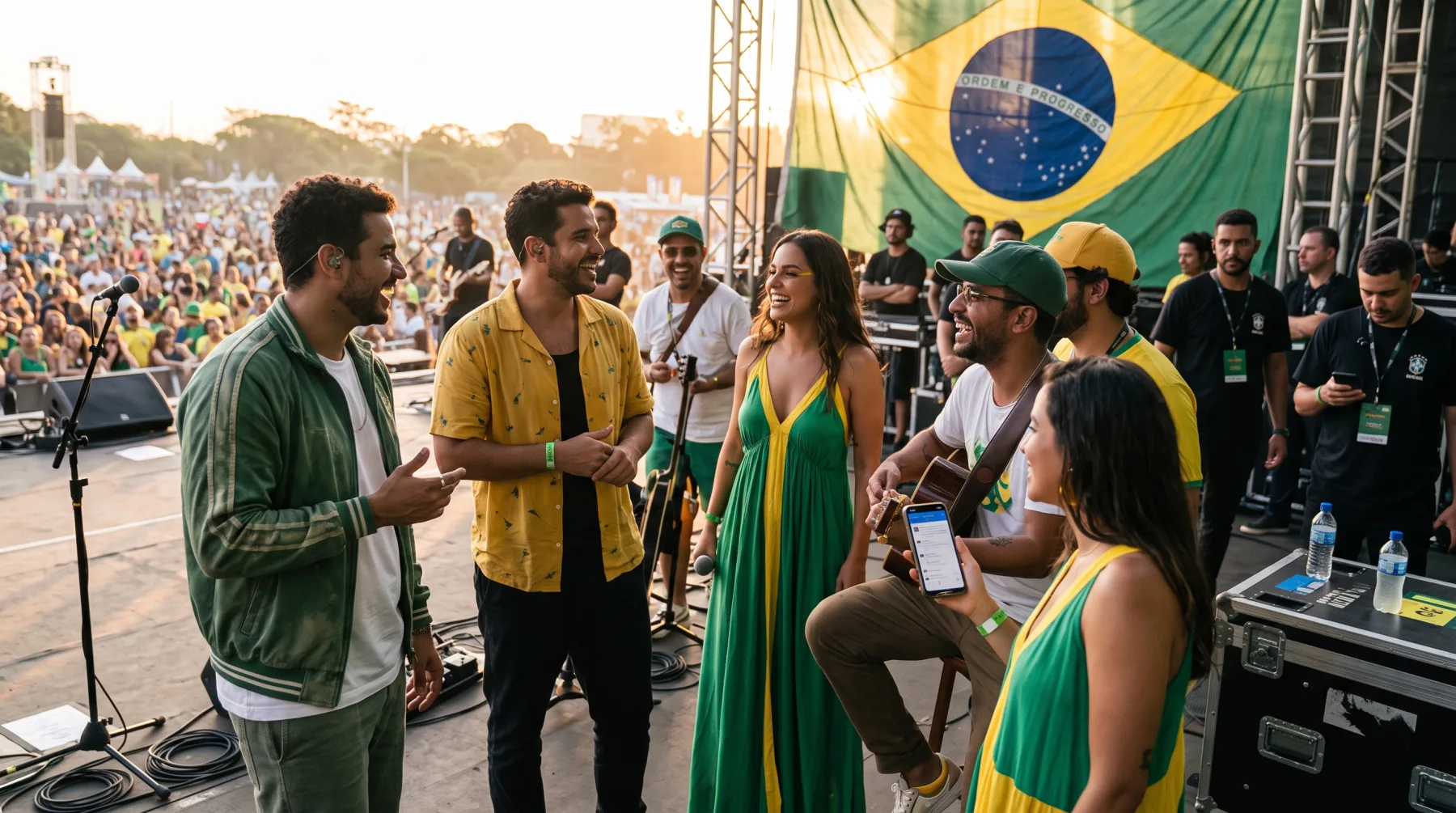
On October 17, social media in Brazil turned green and yellow. Actors, musicians and TV hosts posted photos wearing the colors of the national flag, in an online action supporting Lula's candidacy in the presidential runoff. Among them were northeastern legend Alceu Valença and rapper MC Cabelinho, alongside TV stars such as Gloria Pires, Renata Sorrah and Fernanda Gentil. The reaction was fast and divided: for some, a gesture to reclaim the national symbols; for others, an opportunistic grab of colors that, over the past decade, became linked to the opposing political camp.
I'm not getting into the election. The people who book me come from every side, and the dance floor has always been the place where all of them dance together. But the debate about the colors matters to any DJ who plays Brazilian music, because green and yellow have been part of our repertoire for almost a century.
A flag that music painted first
In 1939, Ary Barroso wrote "Aquarela do Brasil" (known abroad simply as "Brazil"), giving the country an anthem of pride that crossed generations. Decades later, Tropicália played with those same symbols, mixing patriotism and irony, electric guitars and berimbau. In the 1970s, samba-rock, funk soul and the black music of the suburban dance parties of Rio and São Paulo invented another possible Brazil, without asking anyone's permission.
In 1984, yellow took over the streets during Diretas Já, the mass movement demanding direct presidential elections at the end of the military dictatorship, with artists singing on stage at every rally. And every World Cup the whole country puts on the jersey and sings together, at the bar, in front of a big screen or on the dance floor.
In other words: before belonging to any party, green and yellow was a soundtrack.
What changes when colors become sides
Since the middle of the last decade, the flag's colors have taken on a strong political meaning, and many Brazilians stopped wearing the national team jersey outside of match days. This week's action tries to shift exactly that. Whether it works as an electoral strategy is a question for political analysts. What I can see from where I stand, behind the decks, is how a symbol can push people apart or bring them closer.
You see it fast on the dance floor. I play "País Tropical" at a wedding and watch grandpa, the bride and a cousin dancing side by side, each with their own vote. Music opens a space where we remember what we have in common.
The role of the one who plays
Artists have every right to take a stand, and many of the greatest names in Brazilian popular music turned songs into political acts. At the same time, a DJ has a slightly different job: reading the room and keeping the energy up for everyone who is there, whoever they are.
So my take on this debate is simple: the green and yellow that matters on the dance floor is the one of samba, funk soul, the baile, bossa nova remixed into house. It is the Brazil that exports groove to clubs in London, Berlin and Tokyo and gets foreigners trying to samba without knowing how.
After October 25
The election will pass, as they all do. The music stays. In a few months there will be Carnival, a World Cup and weddings of families who voted differently. I'll be there playing Jorge Ben, Tim Maia and Marcos Valle, hoping the flag's colors go back to belonging to everyone who dances.
Reference source: Folha Ilustrada
Read next
See all news →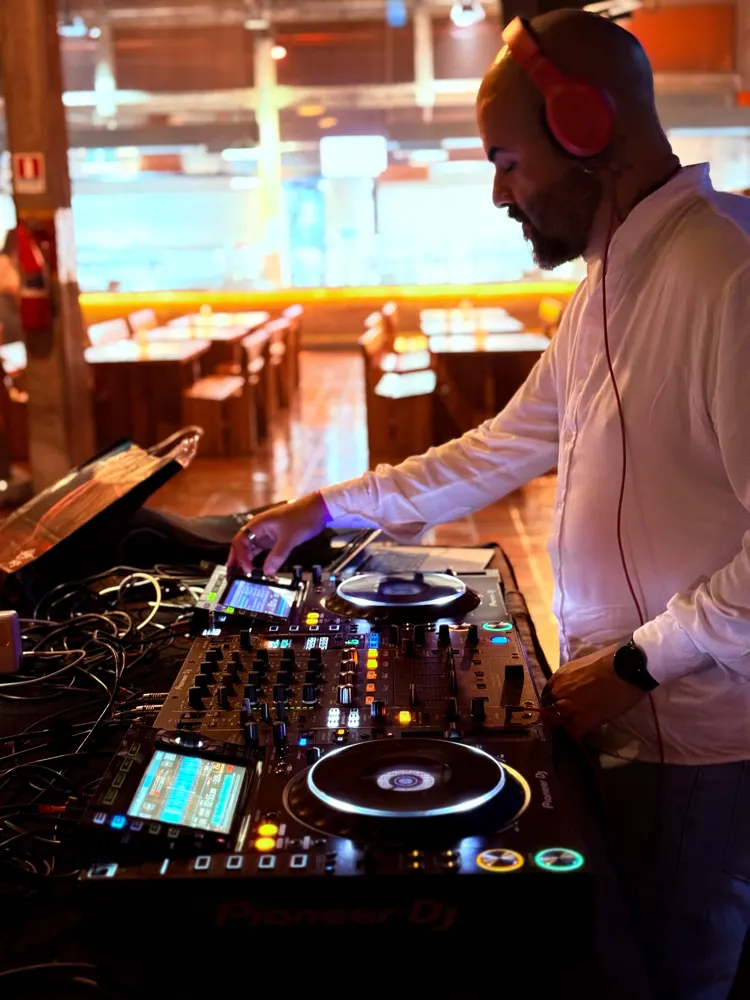 Samba · MPB · Brasilidades
Brasilidades: when samba and MPB meet the dance floor
How Brazilian music classics get a new life in remixes made for dancing.
Oct 5, 2026 · 1 min read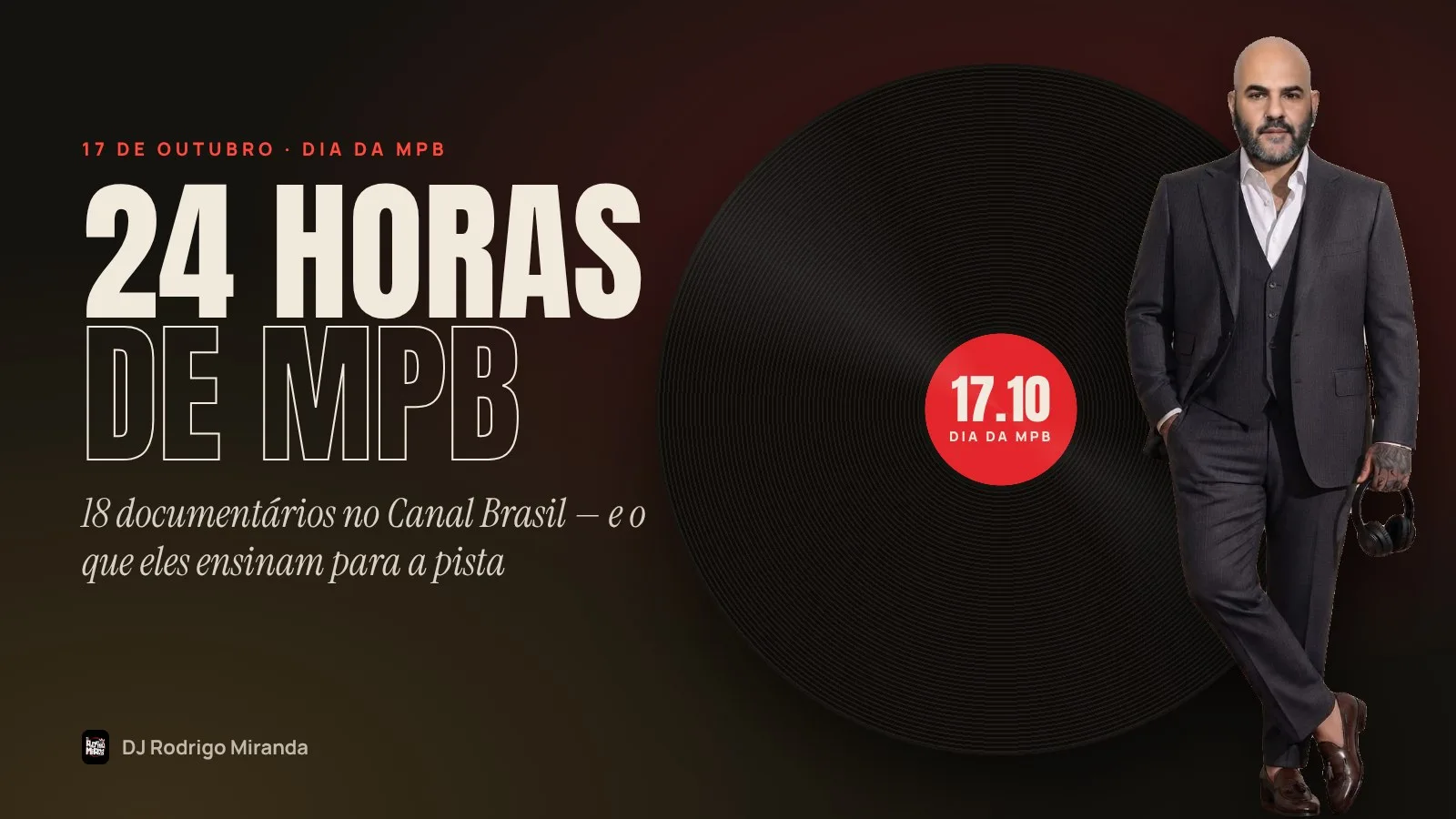 MPB
MPB18 Documentaries That Explain Where Brazil’s Groove Comes From
Canal Brasil airs 24 hours of documentaries for Brazilian Music Day. A DJ picks the films that work as dance-floor lessons, from Simonal to Refavela.
Oct 17, 2026 · 4 min read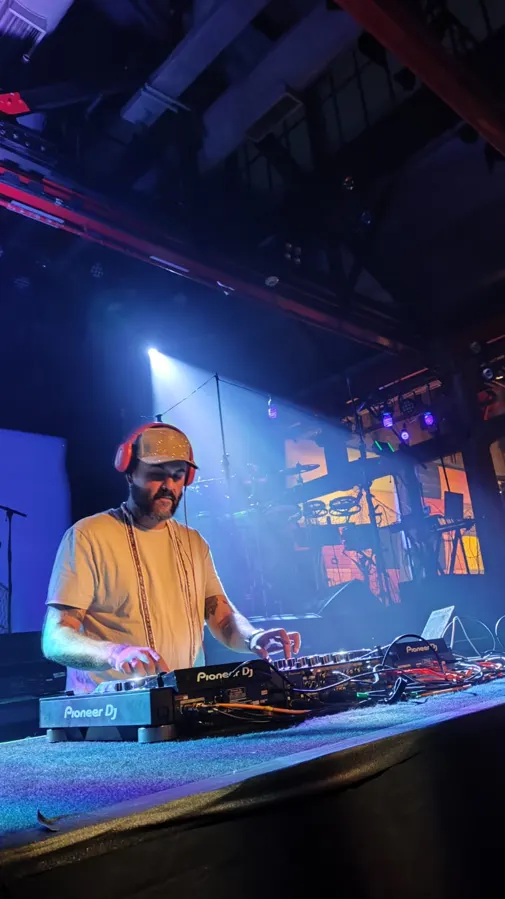 House
HouseHouse: the music born in a Chicago club
How one DJ, a few drum machines and the Warehouse dance floor changed club music forever.
Oct 5, 2026 · 1 min read