18 Documentaries That Explain Where Brazil’s Groove Comes From
Canal Brasil airs 24 hours of documentaries for Brazilian Music Day. A DJ picks the films that work as dance-floor lessons, from Simonal to Refavela.
 By DJ Rodrigo Miranda·
·
3 min read
By DJ Rodrigo Miranda·
·
3 min read
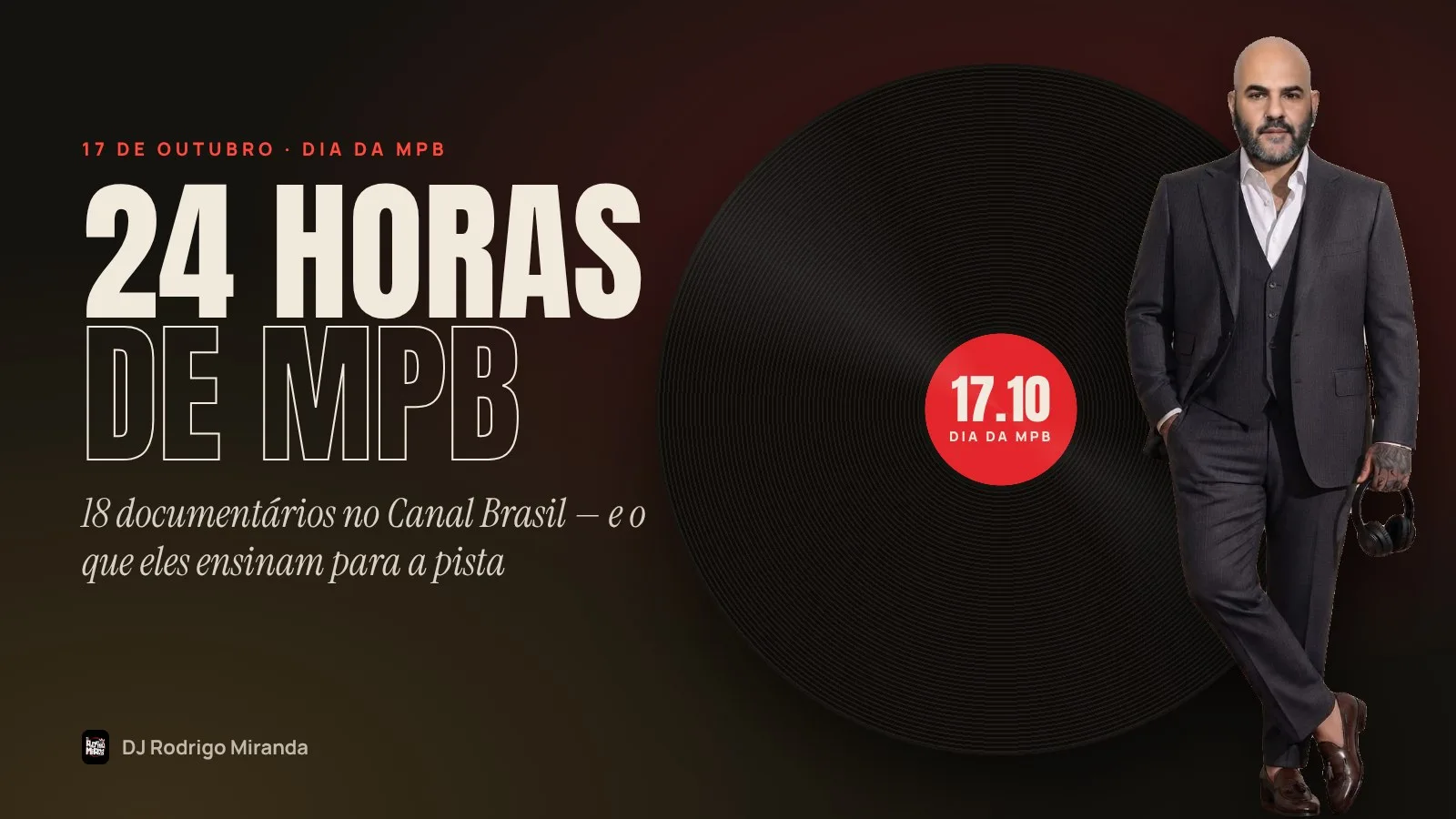
October 17 is Brazil's National Popular Music Day (Dia da MPB). The date was created by law in 2012 to honor Chiquinha Gonzaga, born on this day in 1847, the composer who brought choro and maxixe into the ballrooms and opened the way for everything that came after. To celebrate, Brazilian TV channel Canal Brasil put together a 24-hour marathon of 18 documentaries about the artists who shaped the country's music, from 7am on Saturday to 6:35am on Sunday (Brasília time).
For anyone who plays music, a lineup like this is more than nostalgia. It is a lesson. A lot of what works today on a Brazilian, house or disco dance floor was born on the records these films talk about.
The swing that came before samba rock
The first film I recommend to any DJ is "Simonal - Ninguém Sabe o Duro que Dei". Wilson Simonal blended samba, soul and the playful "pilantragem" style with a stage presence few ever matched, anticipating much of the swing that samba rock and Brazilian funk soul would consolidate in the 1970s. It is the kind of sound that still gets couples dancing on any floor.
Refavela: Brazil looking to Africa
"Refavela 40" revisits the album Gilberto Gil released in 1977 after a trip to Nigeria. It is a bridge record: afrobeat, funk, ijexá and reggae in conversation with Brazilian song. On the dance floor, these tracks sit naturally between afro house and disco, and they explain why so many international producers dig for Brazilian records from the 70s.
Song, harmony and remix
Other films in the marathon show the more melodic side of Brazilian music: "A Música Segundo Tom Jobim", "Nada Será Como Antes", about the Clube da Esquina collective from Minas Gerais, and "Os Doces Bárbaros", with Caetano Veloso, Gilberto Gil, Maria Bethânia and Gal Costa on the same tour. These harmonies traveled the world and now come back remixed in house sets in Brazil and abroad. When I play a bossa nova edit with a four-on-the-floor kick, this is the repertoire behind it.
Roots samba and great voices
The late hours belong to samba and to great voices: "Clara Estrela", about Clara Nunes; "Andança", about Beth Carvalho; and "Abre Alas: Elza Soares", which closes the marathon. Elza is a case of her own: she went through samba-jazz and, late in her career, dove into electronic music, proving Brazilian popular music was never afraid of the dance floor.
What stays for the dance floor
Since 1999, my rule has been simple: Brazilian music enters the set not as a tribute, but as the lead. A well-placed Jorge Ben, a Tim Maia at the right moment or a remixed Clube da Esquina track changes the energy of any party. Watching these documentaries is understanding why. Happy Brazilian Music Day.
Read next
See all news →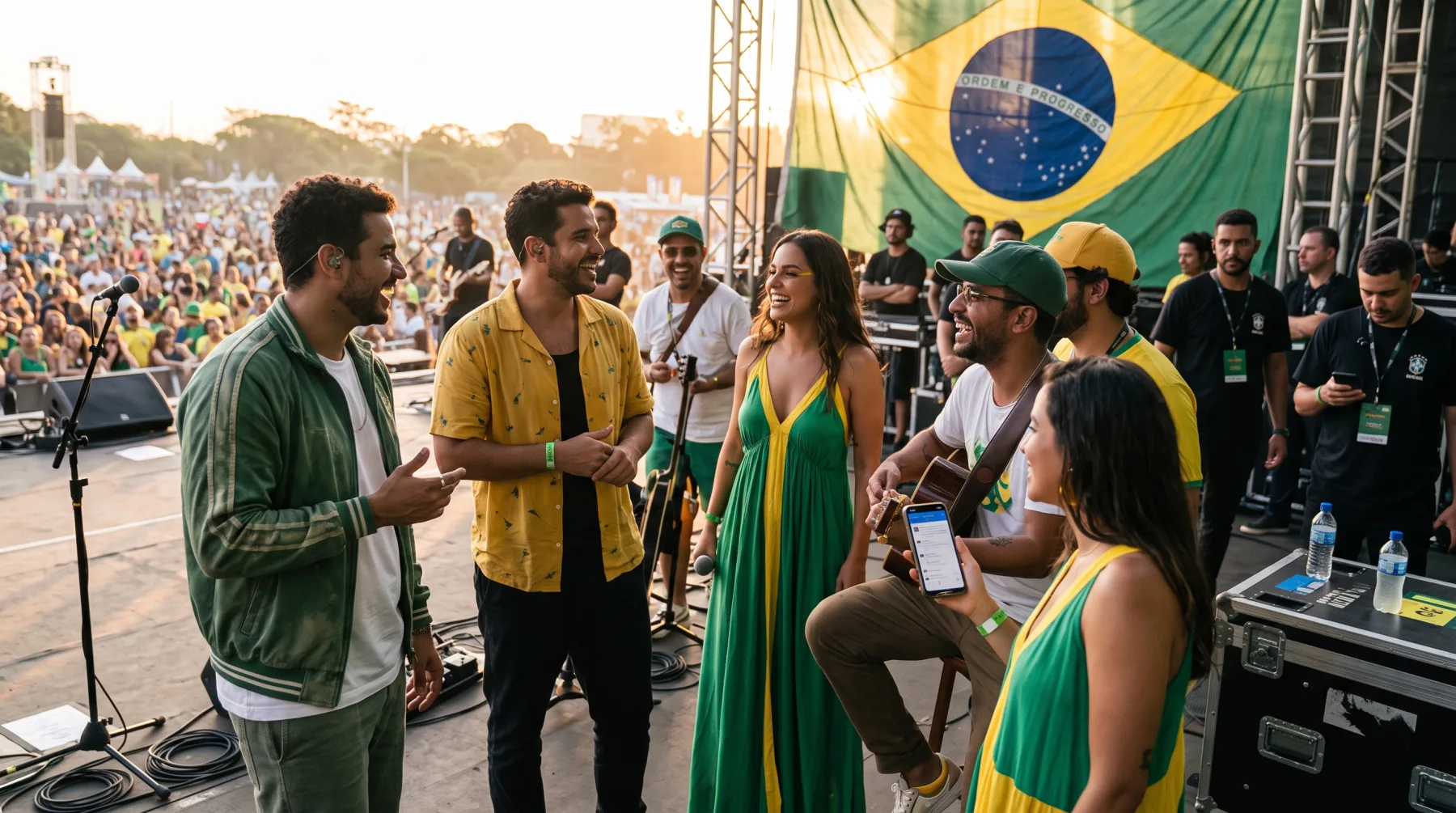 Culture
Whose Green and Yellow? Brazilian Music and the Fight Over the Nation’s Colors
Brazilian artists wore the flag’s colors online and revived an old question: who owns the green and yellow that Brazilian music has always sung about?
Oct 17, 2026 · 4 min read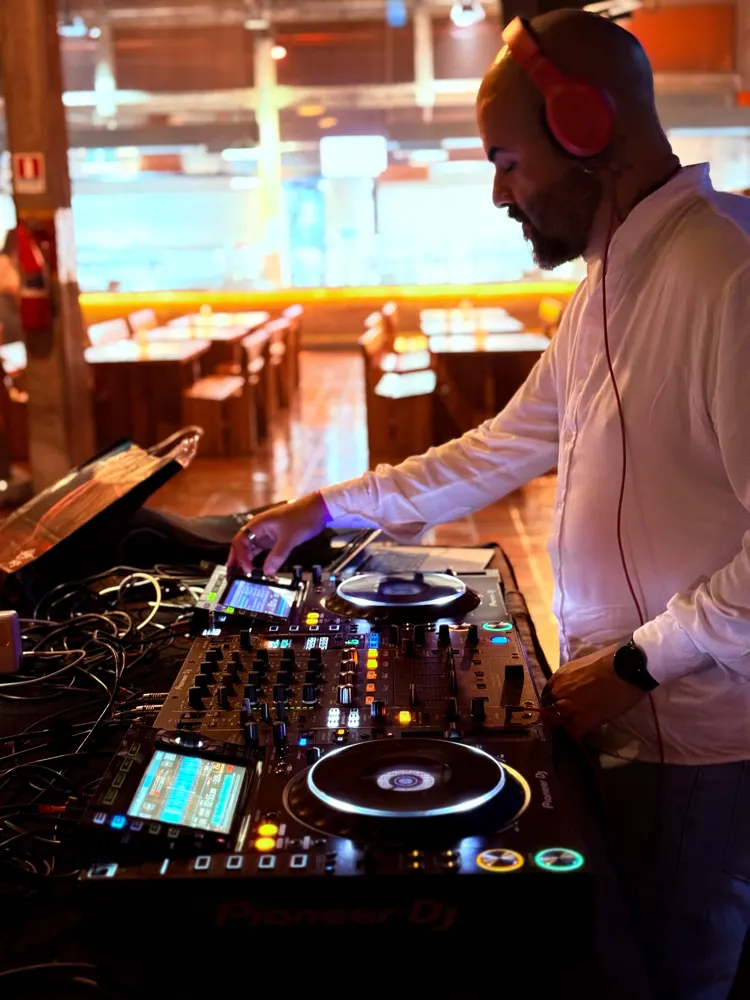 Samba · MPB · Brasilidades
Brasilidades: when samba and MPB meet the dance floor
How Brazilian music classics get a new life in remixes made for dancing.
Oct 5, 2026 · 1 min read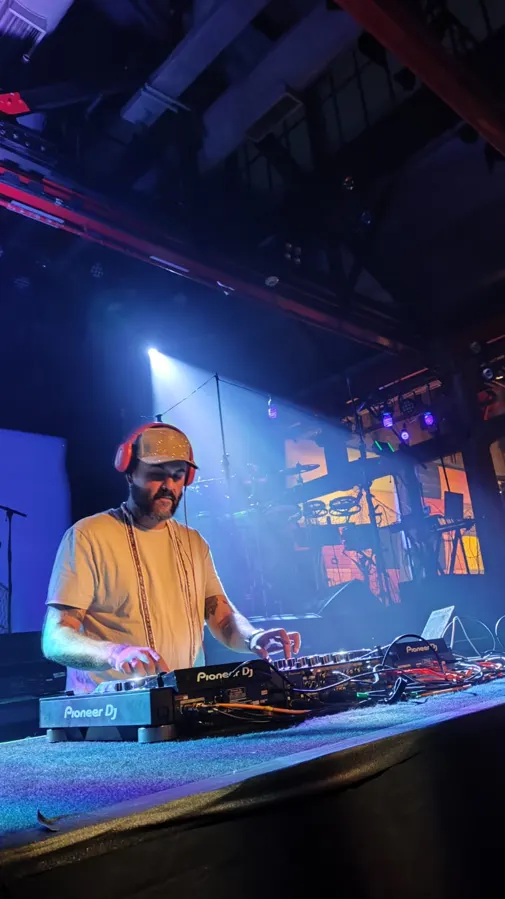 House
HouseHouse: the music born in a Chicago club
How one DJ, a few drum machines and the Warehouse dance floor changed club music forever.
Oct 5, 2026 · 1 min read