House: the music born in a Chicago club
How one DJ, a few drum machines and the Warehouse dance floor changed club music forever.
 By DJ Rodrigo Miranda·
·
1 min read
By DJ Rodrigo Miranda·
·
1 min read
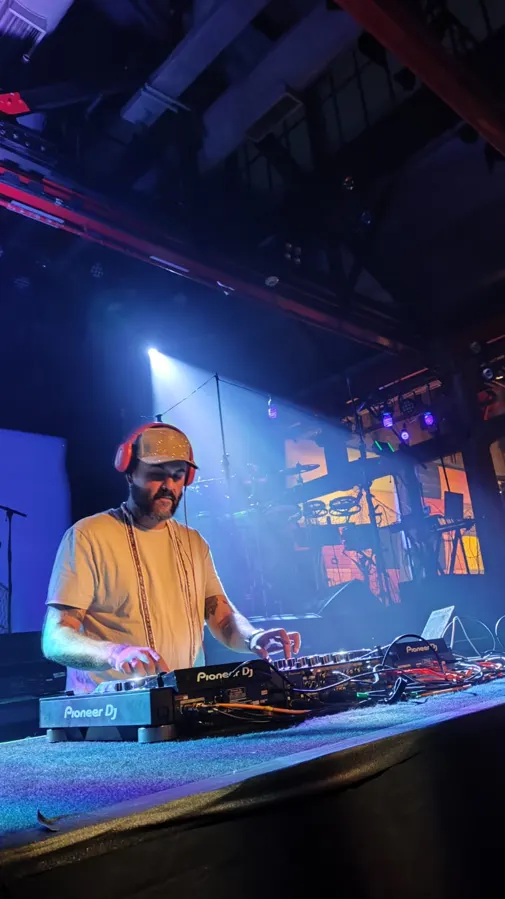
The name comes from a place: The Warehouse, a Chicago club where Frankie Knuckles held a residency from the late 1970s. The records he played, a blend of disco, soul and electronic sounds, came to be called “house music” by the regulars.
In the mid-1980s, local producers began making their own tracks with drum machines such as the Roland TR-808 and TR-909, punchy basslines and a steady four-on-the-floor kick, the foundation of almost all dance music since.
Across the Atlantic, the sound exploded in the UK at the end of the decade with the acid house movement. Knuckles became known as the “Godfather of House”, and the style split into dozens of sub-genres.
On the dance floor, house works because it is both danceable and elegant: it holds the energy without wearing people out and blends naturally with disco, soul and Brazilian grooves. That's why it shows up in almost every one of Rodrigo's sets.
Read next
See all news →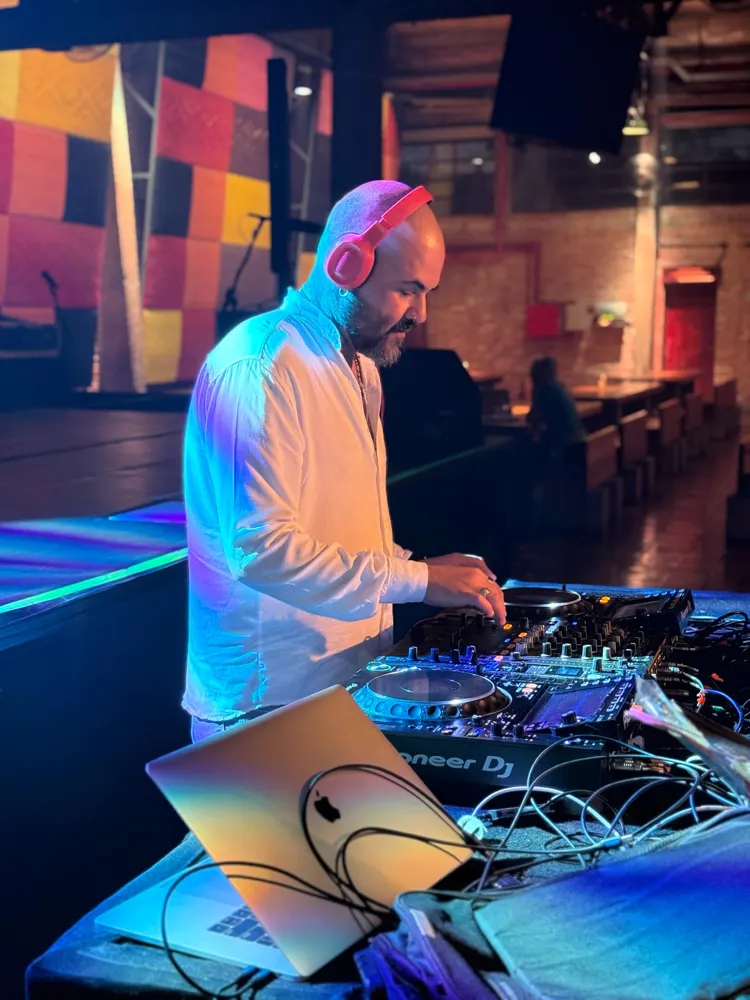 Tech House
Tech house: house groove with techno weight
Why tech house became the soundtrack of club and festival dance floors in recent years.
Oct 5, 2026 · 1 min read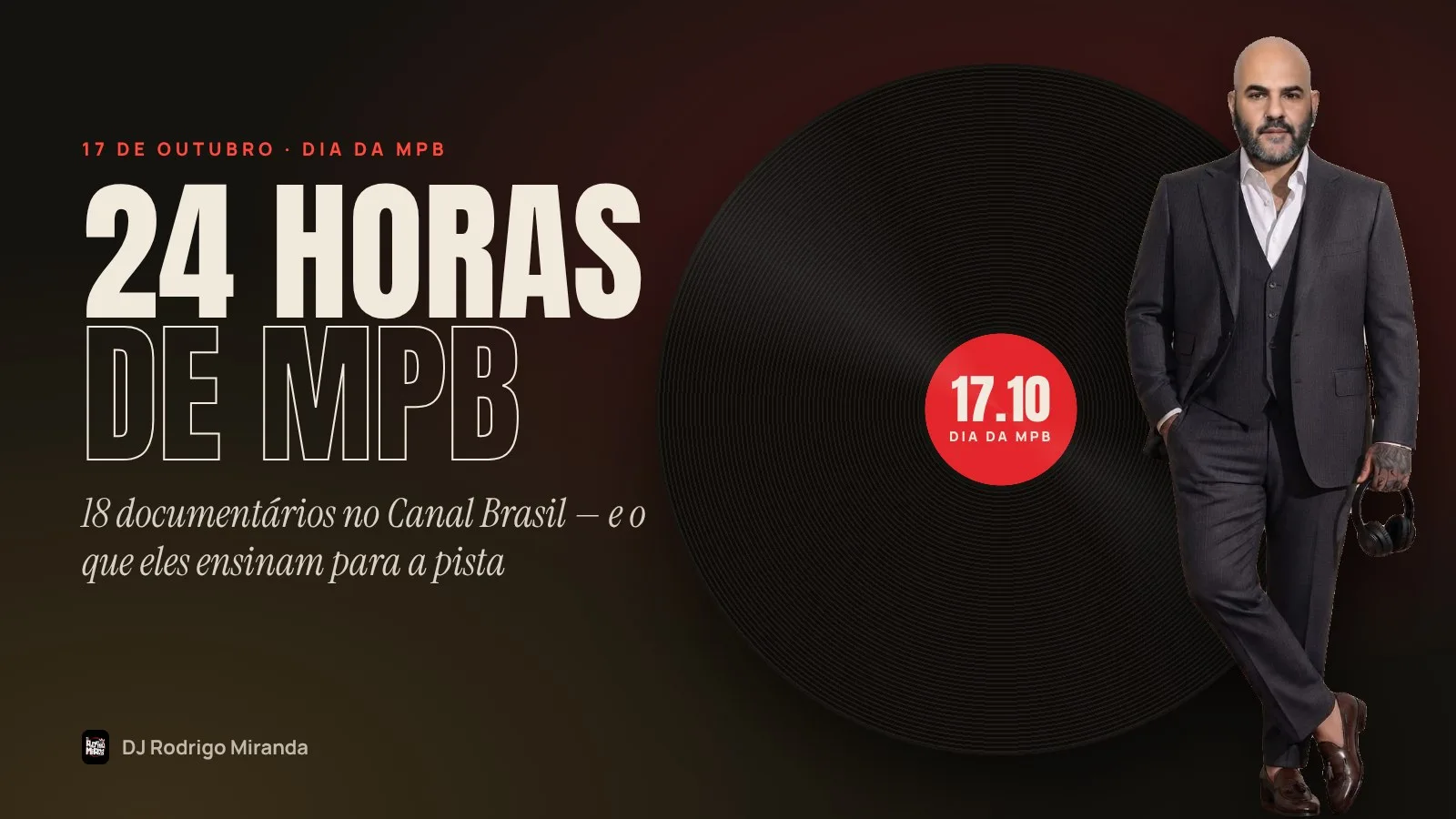 MPB
MPB18 Documentaries That Explain Where Brazil’s Groove Comes From
Canal Brasil airs 24 hours of documentaries for Brazilian Music Day. A DJ picks the films that work as dance-floor lessons, from Simonal to Refavela.
Oct 17, 2026 · 4 min read Culture
Whose Green and Yellow? Brazilian Music and the Fight Over the Nation’s Colors
Brazilian artists wore the flag’s colors online and revived an old question: who owns the green and yellow that Brazilian music has always sung about?
Oct 17, 2026 · 4 min read