From the Groove to the Mainstage: What Swedish House Mafia’s Latest No. 1 Tells Us About the Floor
DJ Rodrigo Miranda breaks down Swedish House Mafia’s "Happiness Is So Sad" topping Dance Airplay, examining arena hooks through the lens of veteran DJ culture.
 By DJ Rodrigo Miranda·
·
2 min read
Returning to the Top with Emotional Gravity
Swedish House Mafia has secured their fourth No. 1 on Billboard’s Dance/Mix Show Airplay chart with “Happiness Is So Sad.” For a collective that reshaped the electronic landscape during the golden age of EDM festivals, reaching the summit of dance radio confirms that high-level songwriting remains central to longevity on global stages.
The track leans heavily on a bittersweet balance that club culture has utilized for decades: contrasting melancholy lyrical undertones with driving, expansive production designed for mass connection. The title says it all, delivering an experience rooted in tension and eventual release.
A DJ’s Perspective: Between Underground Roots and Arena Precision
Operating behind the decks since 1999—navigating the organic swing of Brazilian rare grooves, raw funk soul, classic house, and the rapid syncopation of drum 'n' bass—gives you a particular perspective on what makes a track truly move people. In deep dance music, resonance rarely comes from pure loudness; it comes from spatial dynamic, bassline movement, and honest harmonic tension.
While “Happiness Is So Sad” is unmistakably tailored for commercial airplay and massive festival rigs, it succeeds because it doesn't neglect musical fundamentals. The synth textures are polished and the arrangement is precise, but the vocal delivery anchors the track in real feeling. It may lack the loose, analog character of 70s disco or the raw syncopation of jungle, yet it respects the core objective of dance music: creating a unified emotional pulse across the room.
Energy Flow and Modern Dance Floor Physics
In an eclectic, multi-hour set, understanding how to deploy big-room energy without sacrificing musical integrity is an art form. Transitioning from organic, groove-heavy selections into modern electronic anthems requires tracks with well-engineered dynamics.
The Swedish trio proves once again that strong melodies paired with pristine low-end control will always command attention. In an era dominated by short-form soundbites, seeing a fully structured dance track dominate the charts proves that listeners still crave anthemic continuity, emotional resonance, and high-impact sound design.
Reference source: Billboard
Read next
See all news →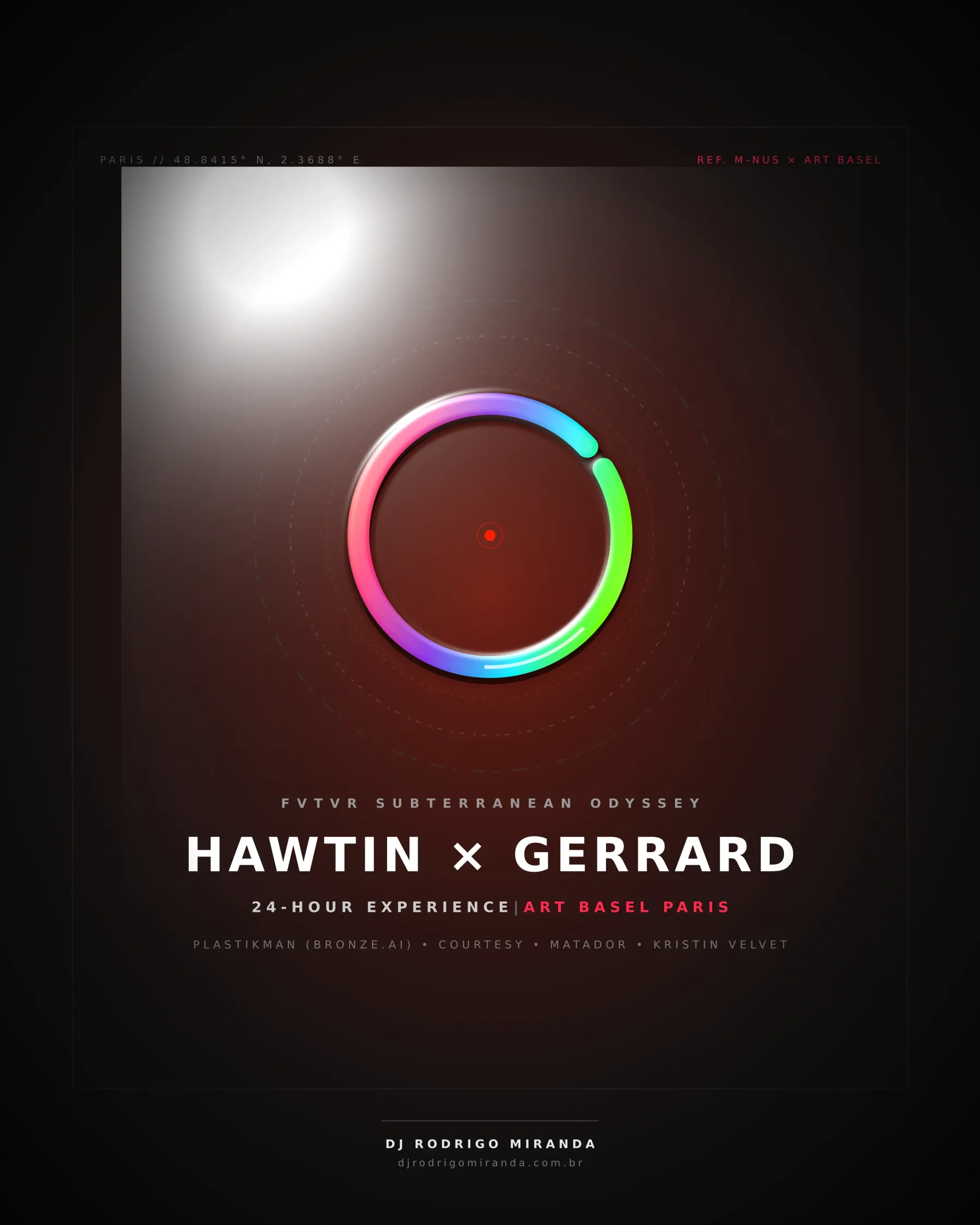 Club Culture & Sonic Avant-Garde
Ouroboros on the Dancefloor: Richie Hawtin and John Gerrard’s 24-Hour Odyssey in Paris
Richie Hawtin and John Gerrard take over Paris’s FVTVR club: 24 hours merging generative digital art, AI soundscapes, and raw dancefloor ethos.
Oct 18, 2026 · 3 min read House
House: the music born in a Chicago club
How one DJ, a few drum machines and the Warehouse dance floor changed club music forever.
Oct 5, 2026 · 1 min read Tech House
Tech house: house groove with techno weight
Why tech house became the soundtrack of club and festival dance floors in recent years.
Oct 5, 2026 · 1 min read